

Socorro Islands
The Galápagos of Mexico
You're 250 miles south of Cabo San Lucas, and the ocean is alive beneath you. Giant oceanic mantas glide past with wingspans wider than you are tall — curious, graceful, and close enough to hold your breath. This is Revillagigedo, a UNESCO World Heritage sanctuary where volcanic peaks rise from the abyss and the largest marine creatures on Earth come to meet you.
Your days here are a front-row seat to nature at its most spectacular. You'll drift through schools of hammerhead sharks, share the water with playful dolphins, and — if the season is right — hear the haunting song of humpback whales echoing through the blue. Every dive in Socorro feels personal. Every encounter belongs to you.
What You'll See
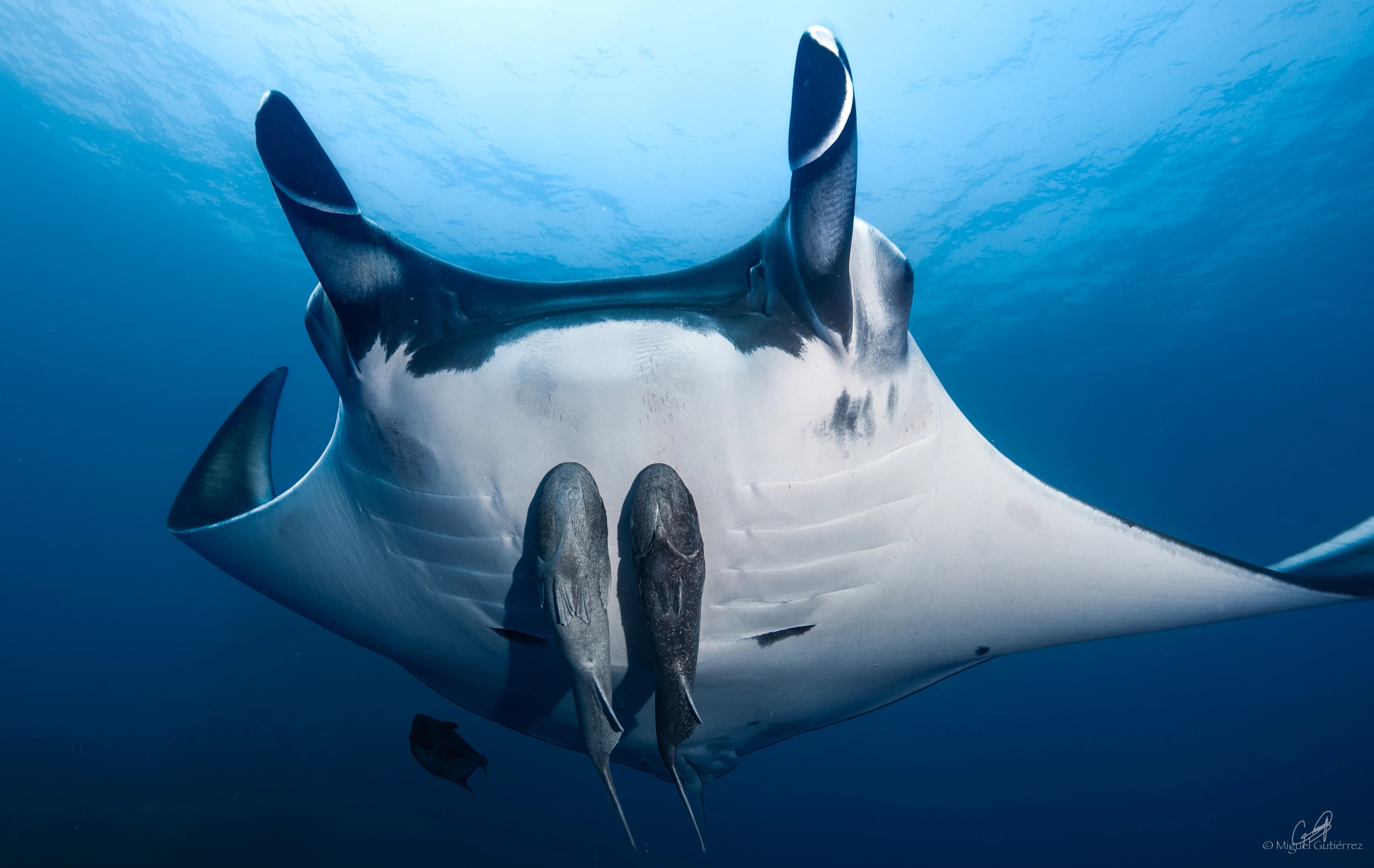
Giant Oceanic Mantas
You'll come face-to-face with mantas spanning over 20 feet — graceful giants that approach you with gentle curiosity, circling just inches away while you hover weightless in crystal-clear water.
Hammerhead Schools
You descend into the blue and find yourself surrounded — hundreds of scalloped hammerheads streaming past you in silent formation, an ancient ritual unfolding right before your eyes.
Humpback Whales
Between January and April, humpback whales fill the water with their songs. You'll hear them long before you see them — then watch them breach against the volcanic skyline, a moment that stays in your bones.
Dolphins & Large Pelagics
Playful bottlenose dolphins will find you on nearly every dive — spinning, circling, inviting you into their world. Meanwhile, tuna and wahoo streak through the blue like torpedoes, a reminder you're in the wild.
Tiger & Silky Sharks
As you drift along volcanic walls, you'll spot the unmistakable silhouettes of tiger sharks, oceanic white-tips, and silky sharks. They move with quiet confidence — and you get to witness it from arm's length.
Whale Sharks & False Orcas
If your trip falls in November, December, or May, you might find yourself swimming beside a whale shark — the largest fish on Earth. May also brings giant bait balls and pods of false orcas that turn the ocean into a living spectacle.
Your Day at Sea
Every day aboard the Quetzal follows a rhythm as old as the ocean itself — wake up, dive, eat, dive again, and let the sea set the pace. Here's what your typical day looks like when you're anchored in Revillagigedo.
Morning
Your day starts with a light continental breakfast at sunrise — fresh fruit, coffee, and the first golden light spilling over the volcanic horizon.
Then you gear up for your first dive of the day, slipping into the water while the ocean is still calm and the marine life is most active.
After your dive, a full breakfast awaits: eggs, fresh-baked bread, and stories already forming around the table.
Afternoon
Midday brings your second and third dives — each one to a different site, each one a different world.
Between dives, lunch is served: fresh seafood, Mexican classics, cold drinks, and the easy laughter that comes from shared adventure.
There's time to nap on the sun deck, swap camera footage, or just watch the horizon.
Evening
As the sun dips toward the Pacific, you might squeeze in a fourth dive — a twilight descent where the reef transforms and nocturnal creatures emerge.
Then it's back on deck for a warm shower, a drink in hand, and a dinner that tastes like victory.
You end the day on the bow, under a sky so full of stars it feels like you could touch them.
Schedules are flexible and weather-dependent — the captain and dive leader adjust each day to give you the best possible conditions.
Dive Sites
San Benedicto
Your journey begins at San Benedicto — a volcanic island that hides the most famous manta encounters on the planet. Every dive here gives you the chance to meet giant oceanic mantas, sharks, and pelagic species that make this island an unmissable stop.
The Boiler
You drop onto a submerged seamount that rises to about 50m, and instantly you know why they call it a cleaning station. Giant mantas hover above you, letting tiny reef fish tend to their skin while you float just feet away — an encounter so intimate it feels private.
The Canyon
The current carries you through a volcanic channel where mantas circle overhead with 4m+ wingspans. You might hear humpback whale songs vibrating through the water — an underwater soundtrack that follows your entire dive.
Roca Partida
In the middle of the open ocean rises Roca Partida — a towering volcanic monolith surrounded by deep water. Its underwater walls concentrate an extraordinary amount of marine life, and every dive here feels completely different from the last.
Roca Partida
You're in the middle of the open ocean, six hours from the nearest island, floating beside a towering pinnacle with 70-80m vertical walls. The isolation is staggering — and so is the life it attracts. Hundreds of hammerheads swarm past as you hover at the reef edge.
Socorro Island
Socorro Island combines dramatic volcanic landscapes with some of the archipelago's most famous dive sites. Each immersion here gives you the chance to share the water with giant mantas, dolphins, and sharks in one of the wildest corners of the Mexican Pacific.
Cabo Pearce
This seamount stretches from Socorro Island into the open sea, and it delivers on every dive. You might watch dolphins hunting alongside mantas, hammerheads cruising past you, or — if you're incredibly lucky — a humpback breaching overhead as you ascend.
Water Temperature
We recommend a 5mm wetsuit for Nov–Apr and a 3mm for May.
Seasonal Wildlife Calendar
Seasonal sighting probability
hammerhead sharks
bottlenose dolphins
Giant mantas
Humpback whales
giant mantas
whale sharks
dolphins
false orcas
giant bait balls
The Galápagos of Mexico
This is what awaits you
Scroll to discover
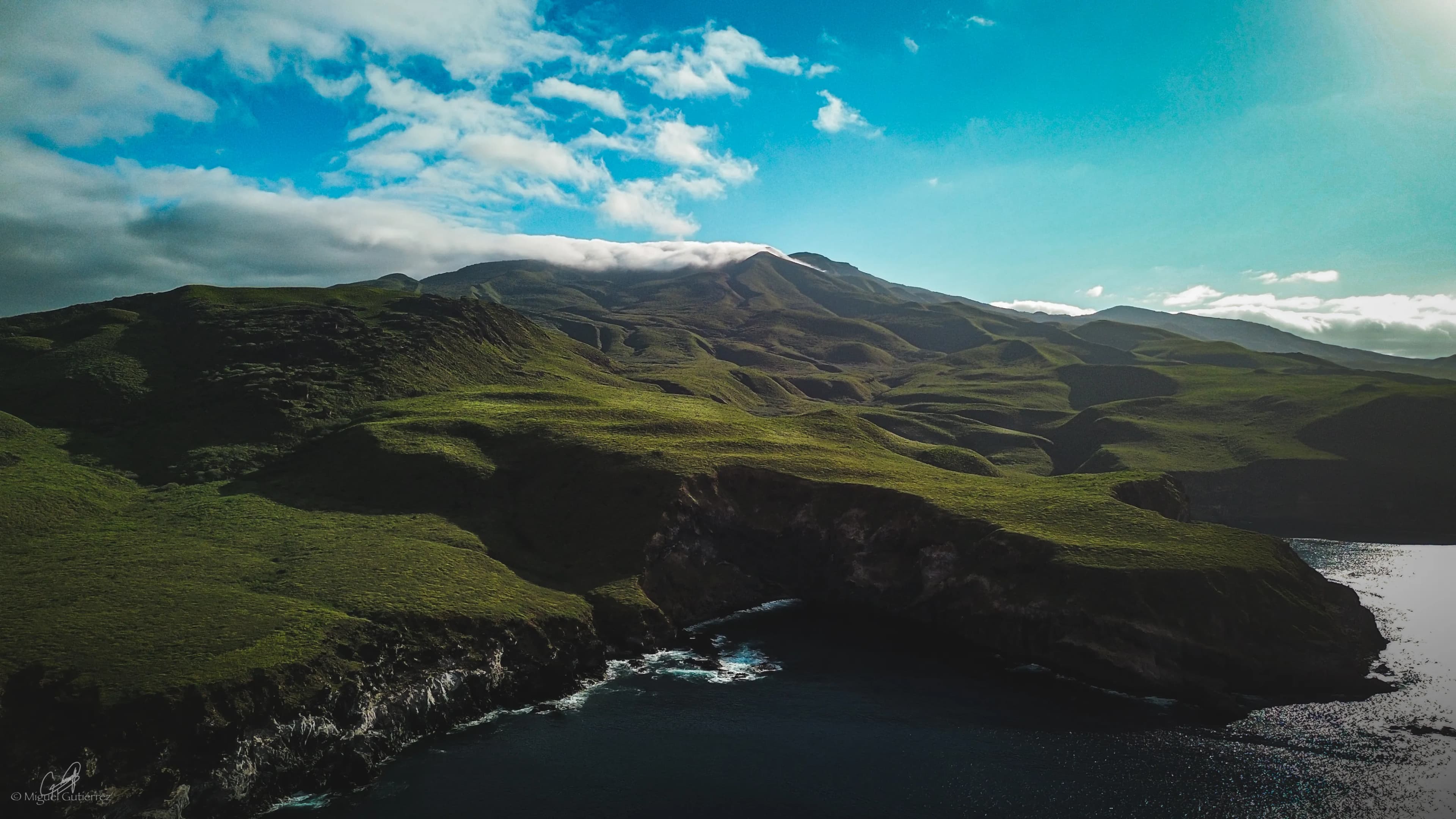
Volcanic cliffs of Socorro Island rising from the Pacific
1 / 6
Giant oceanic manta at The Boiler cleaning station
2 / 6
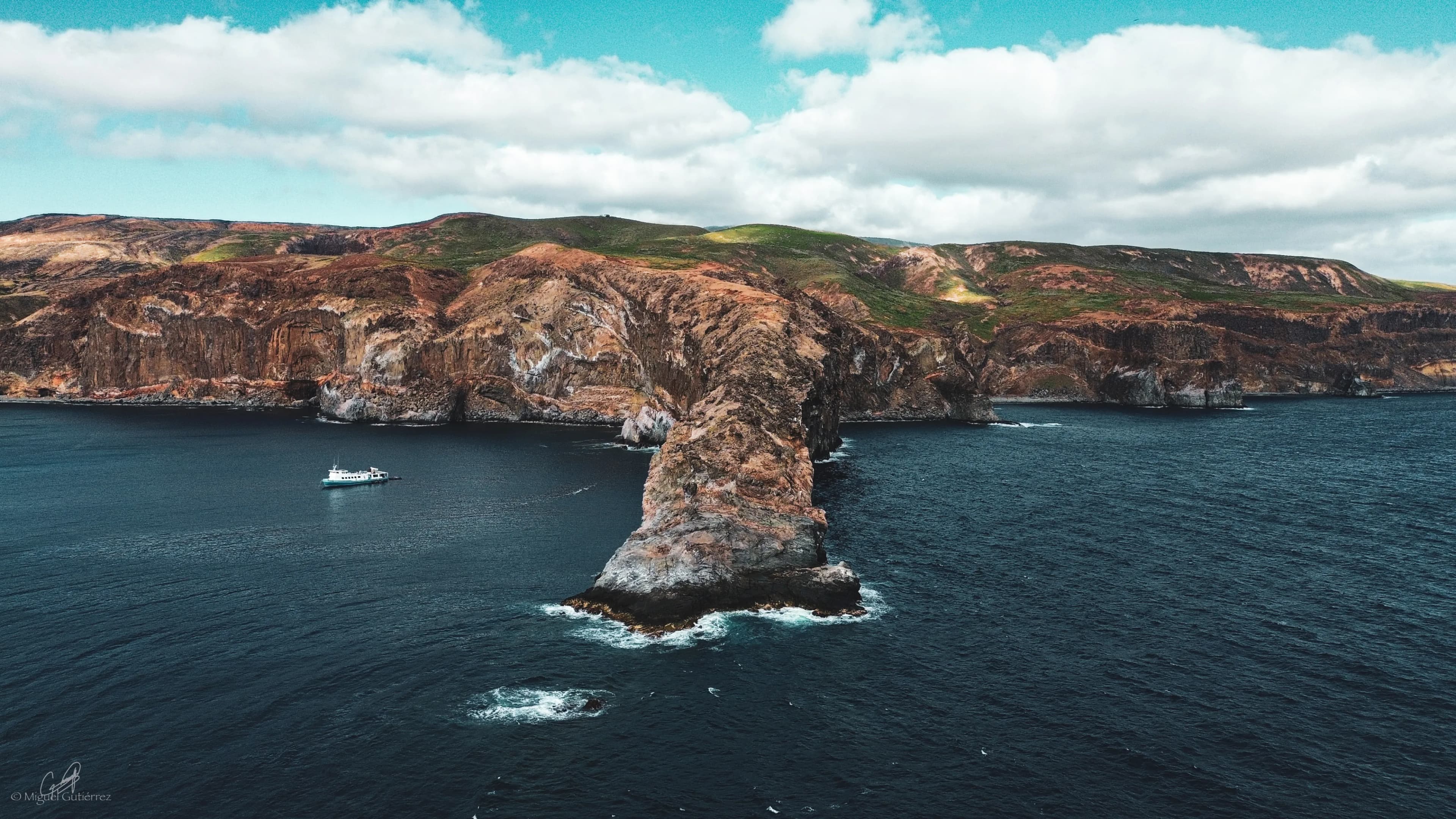
Dramatic seascape at Cabo Pearce dive site
3 / 6
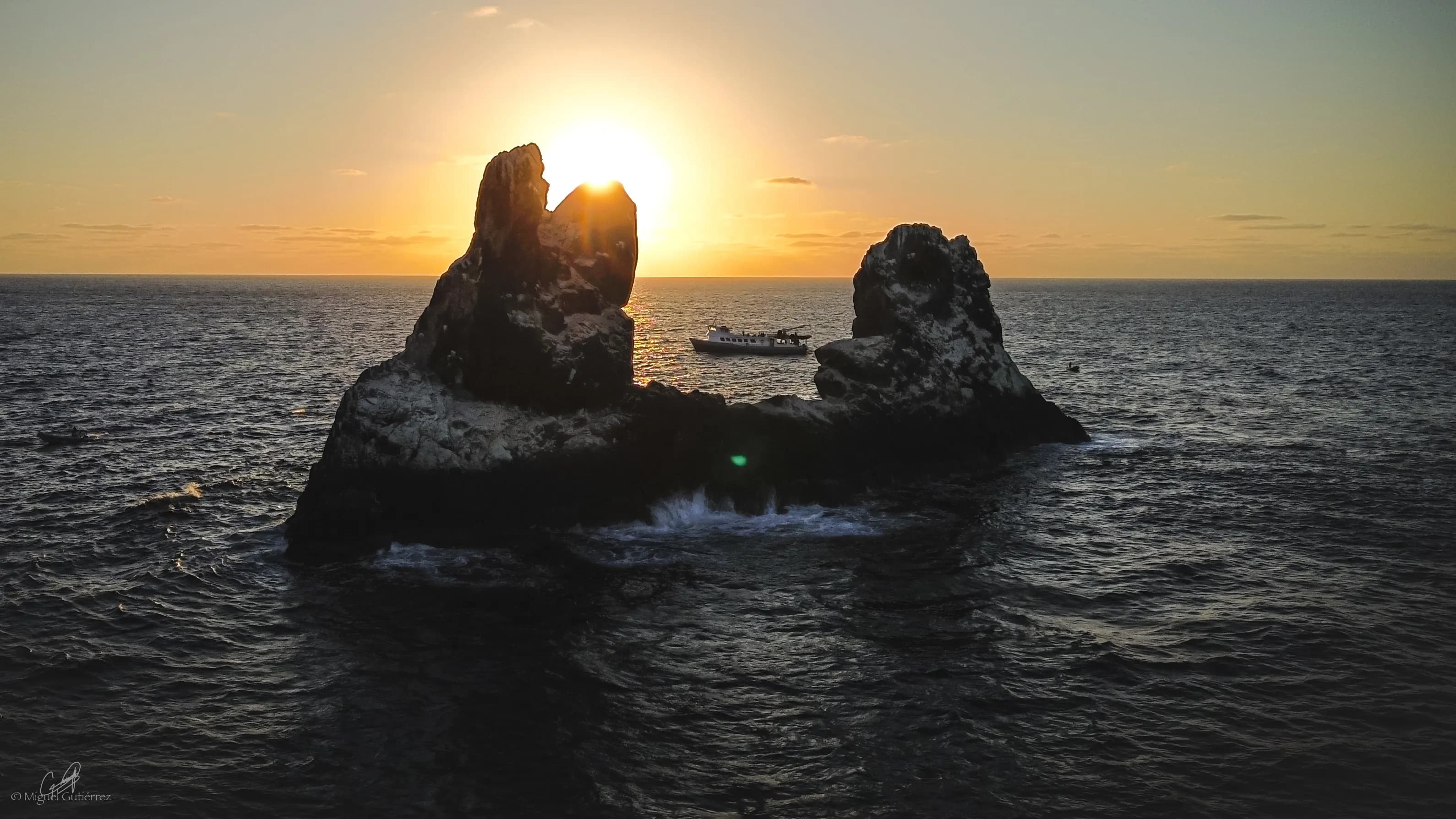
Roca Partida rising from the open Pacific
4 / 6
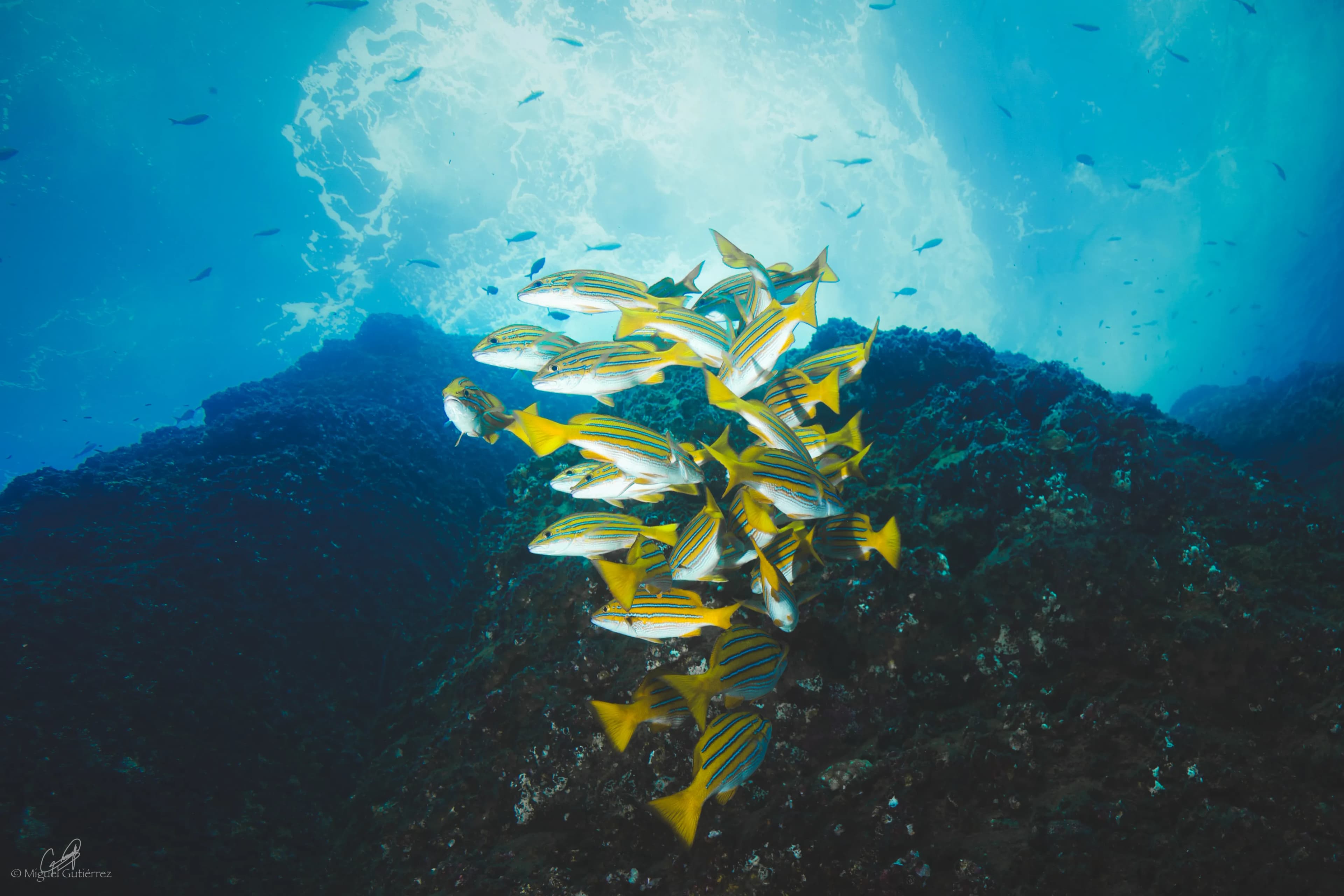
School of snappers swarming Roca Partida
5 / 6
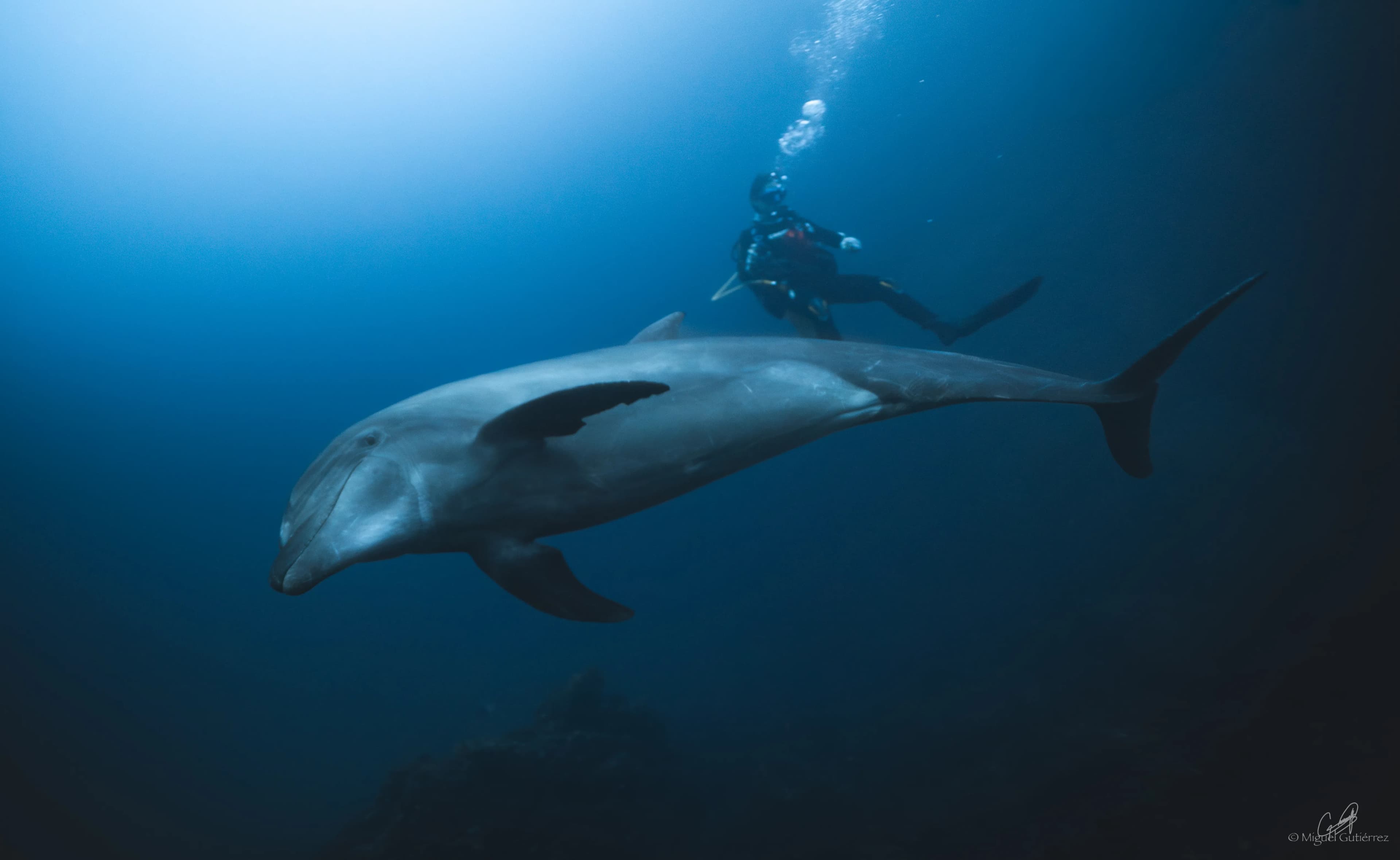
Bottlenose dolphins riding the bow wave
6 / 6
UNESCO World Heritage Site
Revillagigedo Archipelago National Park
Designated in 2016